
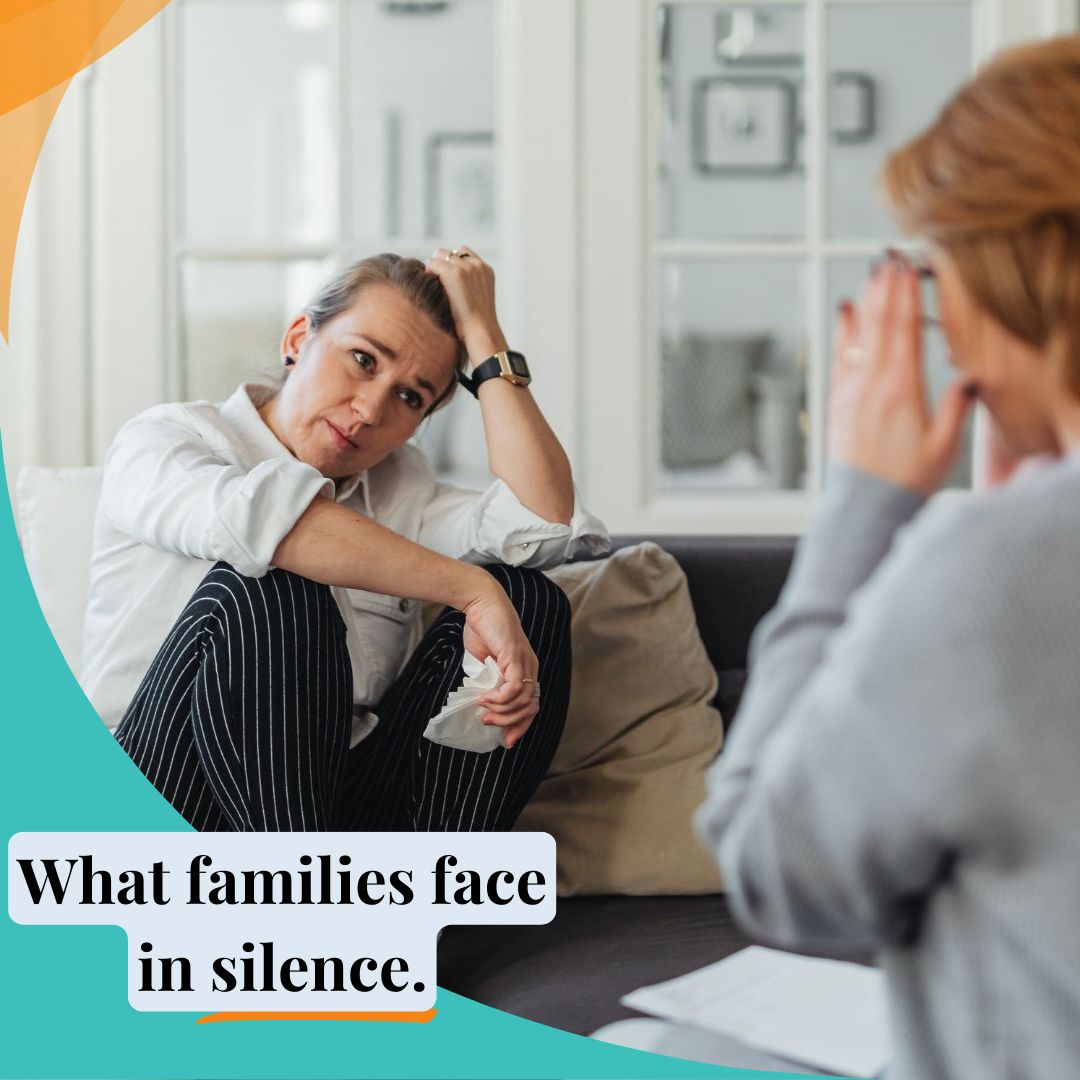
There is so much about this work that people never see.
They do not see the family sitting at a kitchen table trying to make sense of discharge papers, medication changes, insurance denials, and follow-up instructions that no one has properly explained. They do not see the older adult who is frightened, exhausted, and overwhelmed, or the spouse or daughter who is doing everything they can to hold things together while quietly falling apart themselves. And they do not see how often people are left to navigate some of the hardest moments of their lives with far too little guidance, far too little clarity, and far too little humanity.
That is the part that stays with me. It is also the part that should trouble all of us far more than it does.
We live in a healthcare environment that is full of language about innovation, access, quality, and coordination. But for many families, the lived experience is something very different. It is fragmented. It is confusing. It is exhausting. It often feels as though no one is responsible for the whole person, and when that happens, the burden falls where it should never have fallen in the first place: on the patient and the family.
I am not speaking about this from a distance. My beloved father-in-law is fighting stage 4 cancer and a terminal diagnosis. Even with a family that includes medical professionals, including an RN and an MD, the complexity of this system is overwhelming. He is sick, and he is tired, and the truth is that the system would fail him if we were not actively involved. That reality breaks my heart, not only for him, but for the people I see every day in hospitals and care settings who do not have that kind of support. I think about the people who are alone, the families who are overwhelmed, and the ones who do not know what questions to ask or what warning signs they are missing. Those are the people this mission is for.
Over the years, as a Professional Healthcare Advocate, I have seen too many situations where the plan looks acceptable on paper but falls apart in real life. I have seen families discharged with instructions they do not understand, older adults moved through a system too quickly, and vulnerable people treated more like logistics than human beings. I have seen what happens when communication breaks down, when no one is coordinating the moving parts, and when the people closest to the crisis are expected to become instant experts in medicine, insurance, care planning, and risk management while they are also trying to love someone through suffering.
That should not be normal, and yet it is.
This is why I feel such indignation about the state of the system. Not because I believe there are no good people in it; there are many. But a system can be full of good people and still fail in ways that are deeply harmful. Families should not have to become full-time advocates just to keep their loved one safe. Patients should not be left more confused after receiving care than they were before. People who are already carrying grief, fear, fatigue, and uncertainty should not also have to carry the burden of holding together a fragmented system.
That is precisely why advocacy matters.
A true healthcare advocate does far more than simply help out. An advocate steps into the middle of complexity and helps make sense of it. An advocate asks the questions that are being missed, catches the risks that others have overlooked, and helps families make sound decisions when the stakes are high. Advocacy is about protecting dignity, continuity, clarity, and safety in moments when people are most vulnerable and least equipped to fight every battle on their own.
This is also why Scroll.care exists.
Scroll.care was never meant to be just another platform, another list, or another marketplace full of names with no real accountability behind them. It was built because people need a better way to access trusted care. Families deserve more than guesswork when they are already under pressure. They deserve vetted resources, clearer pathways, and a place where trust is built into the process rather than left to chance. The need for that is not theoretical to me. It is personal, and it is rooted in what I have seen families endure when they are left to fend for themselves.
And it is also why Scroll.care Case Management Services matters so much. There are moments when technology can open the door, but what people really need is a guide. They need someone who can assess the full picture, coordinate the moving parts, ask better questions, and help carry the weight of complex decisions. That is the role of real case management and advocacy. It is the human side of this mission, and in the world we live in today, it is often the difference between chaos and clarity.
I am no longer interested in pretending that the system is working better than it is. It is not. There are too many families drowning in complexity, too many preventable breakdowns, and too many people slipping through cracks that should not exist in the first place. We should be disturbed by that, and then we should be willing to build something better.
In spite of all of it, I still believe that better is possible. I believe families deserve trusted guidance. I believe advocacy should not be a luxury. I believe technology, when built with wisdom and integrity, can support humanity rather than replace it. And I believe Scroll.care and Scroll.care Case Management Services are part of that better future.
What many people still do not see is the quiet battle being fought every day by families, caregivers, providers, and advocates who refuse to let people be lost in the shuffle. They do not see the hours, the heartbreak, the follow-up, the research, the vigilance, and the emotional labor that it takes to protect someone in a system this complex. But it is there, and so are we.
And I, for one, am not willing to make peace with a system that fails people more often than it should.

Follow us on our social media channels for the latest updates, health tips, and much more: